-

Architectural Space Analysis through the Enumeration of Convex Spaces
This research examines how such spatial units can be understood through the idea of convex space and develops a quantitative method for reading architectural form.
-

Estimating Human Behavior in Architectural Space from Beacon Data
Understanding how people actually move through a building and where they stay is essential for improving architectural design and operation.
-

Evaluating Exhibition Space through Mutual Visibility and Asymmetric Gaze
This research investigates exhibition space through the spatial relationships created by lines of sight and mutual visibility.
-

Toward Automatic Floor Plan Generation through Mathematical Optimization
In the early stages of architectural design, a floor plan must satisfy many conditions at once, including site constraints, legal requirements, room sizes, and relationships among spaces.
-

Analyzing Seasonal Change in Urban Parks with Detailed 3D Point Cloud Data
This research analyzes seasonal differences in park experience by focusing on openness and richness of color.
-

Evaluating Traffic Policy in the Ichibangai District of Kawagoe
Kawagoe’s Ichibangai district is well known for its historic streetscape and heavy tourist activity, but it also faces major challenges related to safety and chronic congestion, as pedestrians and vehicles move through the same narrow environment.
-
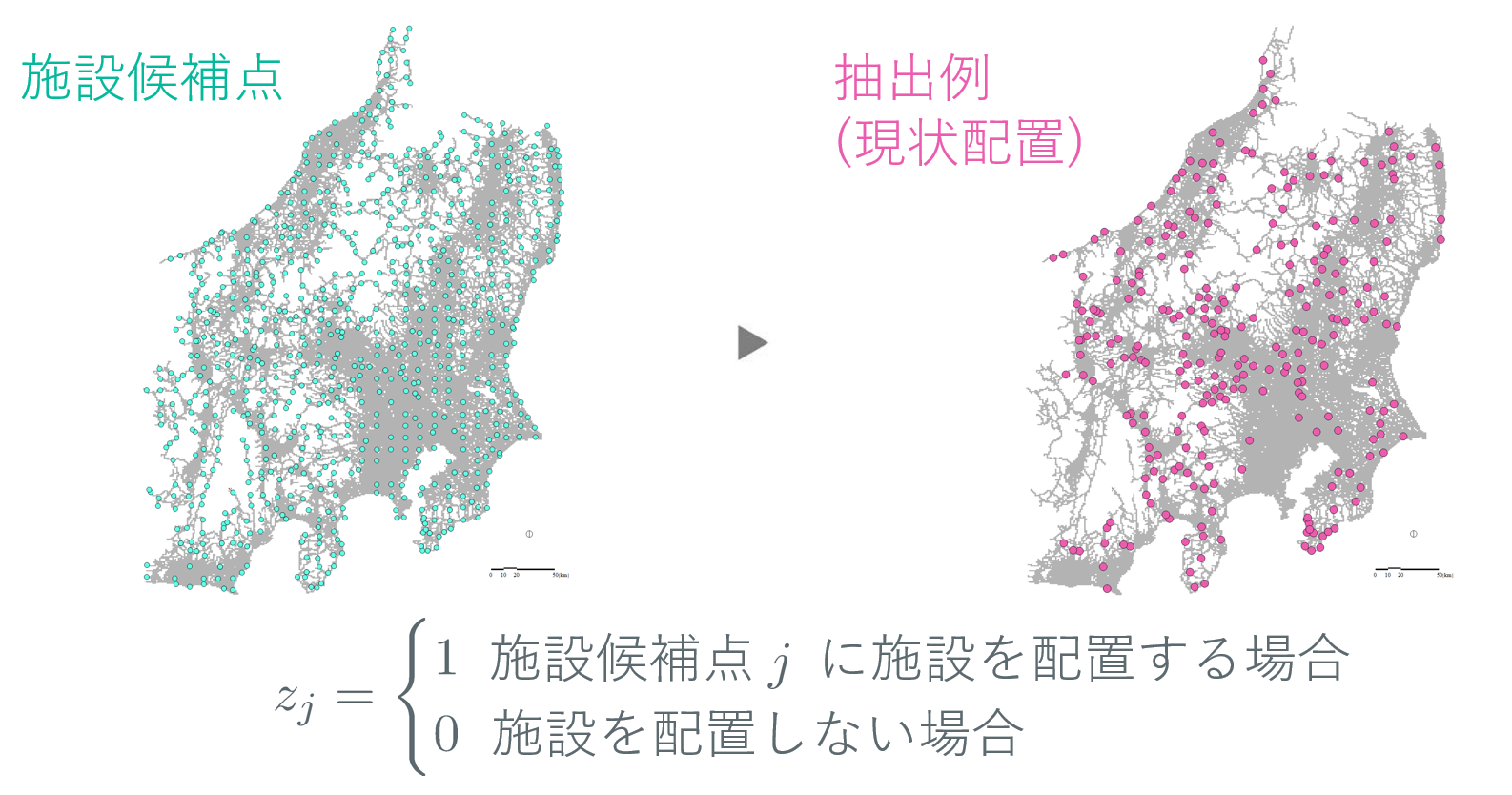
Multi-objective Optimal Location of Roadside Stations
Roadside stations in Japan are expected to function not only as rest facilities but also as places for regional exchange, tourism information, and disaster response.
-

Mobility and Infrastructure Strategy for a Decarbonized Society
This research focuses on dynamic wireless power transfer (DWPT), which supplies power to vehicles while they are moving, and explores new forms of mobility infrastructure for a low-carbon future.

東京大学生産技術研究所・工学系研究科建築学専攻